Flights
I use Skyscanner or Google Flights to research prices and schedules because I like their filters. Once I’ve found flights I book directly with the airline.
We’ve been on enough delayed flights that our minimum layover is now two hours if flying within the USA, longer if flying internationally (to allow for customs and immigration). Note that if you’re flying into the USA, at your first stop you will need to collect any checked bags, go through customs and immigration, then re-check your bags, so allow time for that. (Apparently this is slowly changing. Yay!)
I’ve also become more willing to pay more for a nonstop flight. It saves stress over missed connections and lost baggage.
Tips:
- You don’t have to fly round-trip. Flying into Venice and out of Rome, for example, might cost a bit more but still be cheaper (and take less time) then circling back to your starting point.
- If using miles or points flights are often priced one-way anyway, so I just get one-way flights. For example, I was able to get both of us flights to the Caribbean using my points, and flights back home using my spouse’s points.
- Every airline seems to now offer a bewildering array of seat classes, bundles, and add-ons. Do the math on what you will actually choose when comparing prices.
- Besides airmiles, airline-branded credit cards can come with perks like higher-priority boarding, free checked bags, and discounts on award flights.
I often book 6-9 months out to get the best possible flight at a good price. I know experts say you get lower prices if you wait a bit longer but it often seems the prices aren’t that much lower and the schedules are worse. It’s worth money to me to avoid a second connection or a layover that’s too long. (Or too short.)
We don’t include information about flights on this blog because it’s dependent on your starting point.
Regional Transportation
Booking a flight is expensive but pretty straightforward. Figuring out how to get around when you get to your destination can be more complicated.
Traveling in the US usually means driving because we lack public transportation in all but some large metropolitan areas. But that’s not true worldwide. There are often regular trains and/or buses (coaches) connecting cities and towns, and regular public transport once you get into town. Guidebooks usually provide general information on getting around, including available passes and discounts. Rome2Rio and Google Maps can be good free sources for discovering options for getting from one place to another.
Here’s how we prefer to get from place to place:
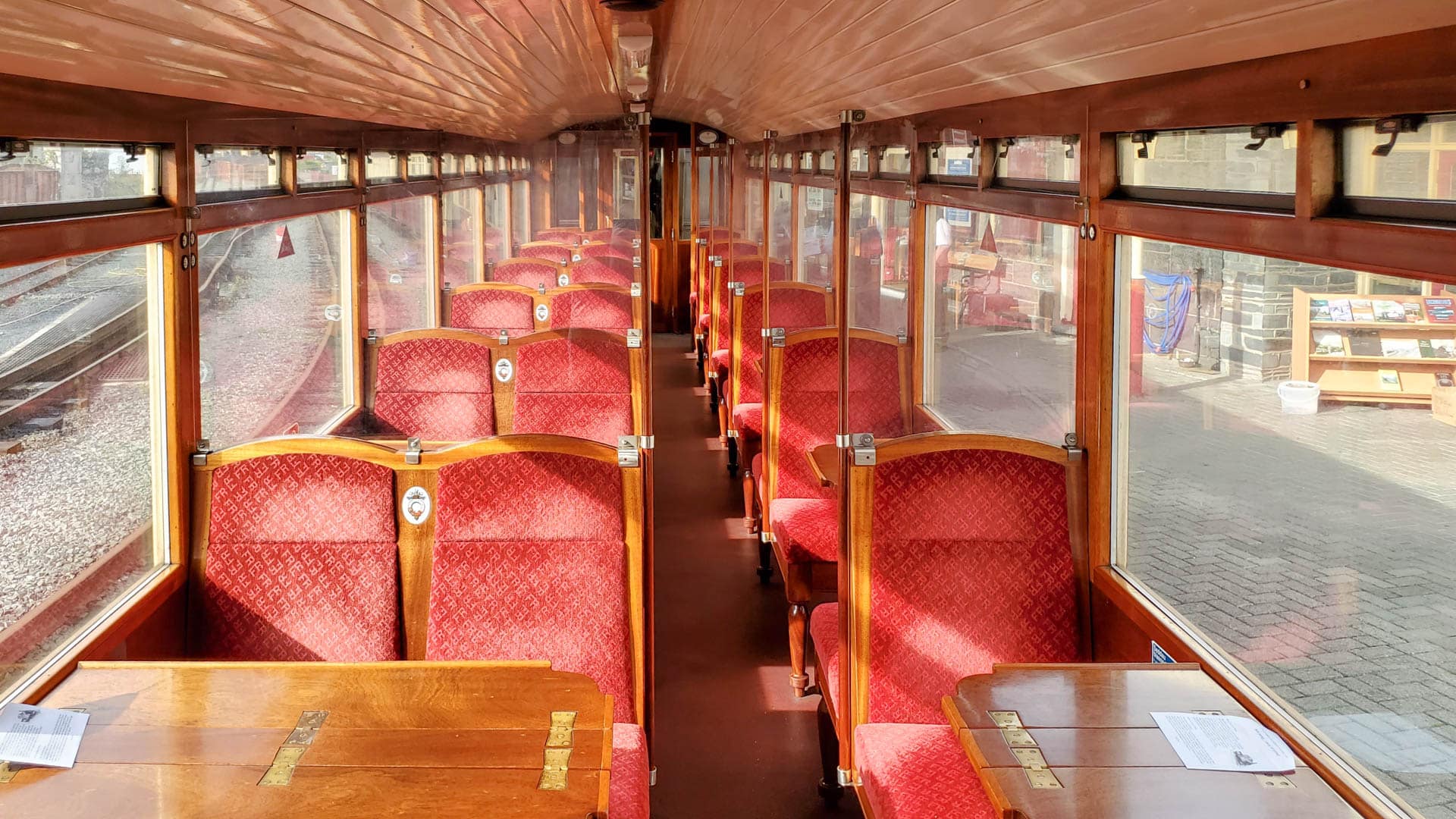
- We like traveling by train when we can. Trains are usually in between planes and buses for speed and cost, are more comfortable than planes or buses, and often scenic. It’s also easier to find — and usually get to — the station. We love trains. And I love The Man in Seat 61 for information specific to train travel.
- Flying is often the quickest and the most expensive way to get around, though you don’t see much along the way. When you factor in time for security and getting to and from the airport, it may not be much quicker.
- Buses (or coaches) are usually the slowest and cheapest option. If we take a bus it’s usually because it’s the only option. One challenge with buses can be finding the bus stop. It once took us about an hour to find our bus stop, thanks to road construction. We’ve learned to locate the bus stop before you’re trying to get out of town with all your bags!
- Renting a car gains you maximum flexibility at a cost. You may incur parking costs along with the cost of the car itself. We try to avoid renting a car if we can. We sometimes rent a car for just the few days we really need it. In the US we’re used to renting a car from one of the major chains, but elsewhere we’ve found that a smaller local business is the better option. Trip Advisor forums are often a great source of information on rental cars. (And on public transportation.)
We include on this blog how we get to each destination.
- When island-hopping, ferries are usually — but not always — cheaper than flying. If they’re available. Sometimes flying is the only option. We once took a seaplane — from St Croix to St Thomas — just because we could.
- In Costa Rica shuttles are popular. They’re like airport shuttles, but take you door-to-door from your lodging in one city to another. We use those a lot there.
- In Australia and New Zealand we found day tours that functioned as transportation to remote places like national parks.
Sometimes booking transportation ahead may not be necessary but may save money. Also check any passes or discounts to see if they help with costs. I book transportation as soon as I can if there’s a discount, since discounted fares are often limited.
On our first trip to the UK we saved a few hundred dollars (over the cost of a rail pass) by booking train tickets in advance; sometimes for only 10% of what we would have paid if we bought the tickets the same day. On our second trip we got senior rail passes that saved us ⅓ the ticket price. (You don’t have to be a UK citizen to get one.) We bought a similar pass when we went to France.
Local Transportation
In smaller locations your feet are often the best way to get around. (Or a bike if you can ride one; we’ve lost the knack.) Even larger cities can be surprisingly walkable but you may need some public transportation, which can include:
- Buses – the most common method, and usually cheapest. Google maps can be good for finding stops, and often tracks the route so you know when to get off.
- Trams, trolleys, or local trains – I love trams. So cute.
- Metro or subway – often the quickest, but not scenic.
- Ferries – When available, they’re often a pleasant and scenic way to get around.
- And of course taxis and ride share services. (We personally have yet to use a ride share.)
If you’re flying in or out look into shuttle services designed to get you to and from the center of town or maybe even directly to your hotel.
When it comes to paying for local transportation we’ve seen all of the following:
- Tap on (and off) with your credit card.
- A transport card designed for visitors.
- A package designed for visitors that includes entry to tourist sights plus some public transportation.
- Options designed for local residents that can also be used by visitors.
- Cash not being accepted.
- Cash being the only thing accepted.
Guidebooks are often a good starting point, but check with the local transport organization for current details. Figure out how much you will use public transport to see if a given pass or card is worth it, either to save money or hassle with individual tickets. You generally pick them up on arrival but you might want to shop first to figure out what you want.
In general, we walk when we can and use public transportation when we can’t. We like walking around new places, and often just wander.
We include information on this blog about we got around at each destination.
Responsible Travel
Travel is wonderful. It’s fun, interesting, and mind-opening. If not mind-blowing! We love it. We also recognize that travel impacts the environment and local communities, not always in a good way.
We try to be responsible travelers by:
- Visiting during shoulder or off season to reduce crowds.
- Staying at locally-owned accommodations, eating at locally-owned restaurants, and buying locally made crafts, so money stays in the community.
- In some places locals are being priced out of local housing by short-term rentals. We try to find hosts that are renting their vacation home while they’re not using it or are renting space on their property, or “aparthotels” designed specifically for travelers.
- Flights often can’t be avoided. The world is a big place! Rental cars can, and we try to avoid renting a car at all, or only renting one for a day or two to visit places not feasible via public transportation.
- Limiting plastic consumption. We carry refillable water bottles, have switched to bar shampoo (also helps with the 3-1-1 bag), and travel with wooden cutlery.